A Healthful Season of Harmony and Light

The winter solstice is almost upon us. I love this time of year. In the past, I was lucky enough to live in a very seasonal place, complete with snow at about this time. There is nothing quite like a brisk day, clear skies and white everywhere. We embrace the winter solstice as a time of quiet harmony, nourishing food, gratefulness, and candlelight. I thought it might be enjoyable to share the history of this festival along with a bit of contemporary inspiration for a delightfully healthy feast and celebration.

The winter solstice provides an opportunity to nurture connection and well-being through gatherings with family and friends. Winter solstice falls on or around the 21 of December in the Northern Hemisphere and represents perseverance, new beginnings, and the return of light-filled days. Traditional festivals of the winter solstice focus on the cycles of nature, specifically the rebirth of the sun god who symbolizes warmth, light, and sustenance of life.

The Mighty Miniature Teff Grain

Teff is an ancient grain, believed to have originated in Ethiopia between 4000 BC and 1000BC. The classic use of teff flour by Ethiopians is injera, a fermented flat bread. Today, teff is widely cultivated and used in South Africa, Ethiopia, India, and Australia. Teff is high in calcium, iron, and protein and has a good mineral profile of phosphorus, magnesium, copper, zinc, boron, and thiamin. The amino acid composition is excellent, including all 8 essential amino acids along with a high lysine level. Due to its small size, teff boasts the highest fiber content of any other grain. 


Sources for this article:

"Chemical composition of teff (Eragrostis tef) compared with that of wheat, barley and grain sorghum", Melak H. Mengesha, Economic Botany, Volume 20, Number 3, 1966, 268-273

"Tef. Lost Crops of Africa", National Academies Press, 2008, 222.

"The orgin and evolution of Eragrostis tef (Poaceae) and related polyploids", American Journal of Botany, 2003, 116-122

www.nutritiondata.com


Nutrition Notes: Incredible Goji Berries

Goji berries, sometimes referred to as wolf berries, are small reddish fruit grown in the Himalayan foothills. They are high in calcium, potassium, and iron. Goji berries are also an excellent source of vitamin C, beta-carotene, and zeaxanthin, making them one of the richest plant based sources for these nutrients. These powerful berries have been shown to support eye health while reducing cardiovascular disease, inflammation, and cancer. Goji berries have been celebrated for centuries in Asia as a promotor of  anti-aging and longevity due to their high antioxidant content.

Sources for this article:

Gan L, Hua Zhang S, Liang Yang X, Bi Xu H (April 2004). "Immunomodulation and antitumor activity by a polysaccharide-protein complex from Lycium barbarum". Int. Immunopharmacol. 4 (4): 563–9.

Weller P, Breithaupt DE (November 2003). "Identification and quantification of zeaxanthin esters in plants using liquid chromatography-mass spectrometry". J. Agric. Food Chem. 51 (24): 7044–9.

Gan L, Hua Zhang S, Liang Yang X, Bi Xu H (April 2004). "Immunomodulation and antitumor activity by a polysaccharide-protein complex from Lycium barbarum". Int. Immunopharmacol. 4 (4): 563–9.

SCW Sze, J. Song, RCC Chang, KY Zhang, RNS Wong, Y Tong (2008). "Research advances on the anti-aging profile of Fructus lycii: an ancient Chinese herbal medicine", Journal of Complementary & Intergrative Medicine, v 5 n. 1

Cooking School: Flaxseed Egg Substitute

A large, metal, egg-shaped tea ball works wonderfully here. Simply place whole flaxseed in the ball, close, and simmer with water. This helps to ease the straining process at the end. Or, for added fiber and texture, no need to strain the flax seeds at all.

Yield: 1 cup

Technique:

2 tablespoons whole flaxseed
1 1/2 cup water

In a small saucepan, combine flaxseed and water. Bring to a boil and reduce heat to a simmer. Cook mixture uncovered until water is reduced by one-half cup, approximately 20 minutes. Remove from heat and strain seeds from mixture, saving the thick, clear gel. Refrigerate unused portion in a tightly sealed container for up to a week.

Gorgonzola-Apple Quesadilla with Walnuts and Caramelized Shallots

Apple season has arrived and I always look forward to all the unique, locally grown varieties. The focus is on crisp, slightly tart apples; if you have a favorite, use it. Leave the skin on since it lends extra nutrition and color.

As with most quesadilla, this comes together quickly and effortlessly; just the thing for a busy weekday supper. If you are not a Gorgonzola fan or if you have children, a mild white cheddar is a pleasant alternative. Have a bit of creative fun as the possibilities and combinations are limitless.

Cooking School: Caramelized Onions and Shallots


Caramelizing onions or shallots significantly reduces the volume by about half, so plan accordingly.

Sweet yellow onions or shallots
butter
white wine

Remove top and bottom off onion or shallot along with the papery skin. Slice into thin half-rounds. Over medium heat, melt butter in a heavy skillet and add onions or shallots; stir to coat well. Cover and cook for 15 minutes until tender. Reduce heat to low and continue to cook uncovered for 25 minutes, stirring occasionally to allow for even browning. Remove from heat and stir in 1-2 tablespoons of water or white wine to deglaze pan.

Nutrition Notes: Sweet Benefits of Coconut Sugar

Coconut nectar is produced by slicing the bud off the flowering part of the coconut and collecting the sap (nectar) into containers. Coconut sugar crystals are created by kettle boiling the sap or by using low-temperature vacuum evaporation. Amazingly, coconut palm trees can produce fruit and nectar for up to 70 years. 

According to Bruce Fife, ND, Director of the Coconut Research Center and author of "Coconut Cures":

"A farmer can plant a coconut tree as a child and have it produce his entire life. Coconuts are always in season as they produce year round. Artificial fertilizers and pesticides are rarely ever used. Small farmers, who are the major producers, can't afford chemicals and prefer to let nature take its course. Rotting coconut husks and fronds are used as a natural fertilizer. For these reasons, coconut nectar and fruit production are very environmentally friendly."

Coconut sugar also has a low glycemic index of 35. Low glycemic foods are important to overall health since they do not create rapid spikes in blood glucose levels. Increased blood glucose triggers beta-cells of the pancreas to increase insulin. When insulin production becomes excessive, this can set the stage for diabetes mellitus, hypoglycemia, and insulin restistance. 

When a high glycemic food is consumed, excess insulin is secreted and blood glucose levels drop lower over the next few hours than if a low glycemic food had been consumed. This explains why eating high glycemic foods contributes to weight gain and obesity since hunger returns sooner and one eats more with less overall satiety. 

High dietary glycemic loads are also linked with increased serum levels of C-reative protein, a marker for inflammation that is an accurate predictor of heart disease. 

Several studies in Canada, France, and Italy found that consumption of high
glycemic foods increased the risk of breast cancer while a US study showed an increase in colorectal cancer. Higher glycemic loads were also related to a significant increase in gallbladder disease.

In addition to being environmentally friendly and low glycemic, coconut sugar is a nutritious sweetener; high in potassium, magnesium, iron, boron, zinc, sulfur, and copper.


Sources for this Article:

http://en.wikipedia.org/wiki/Vacuum_evaporation

http://lpi.oregonstate.edu/infocenter/foods/grains/gigl.html

Ludwig DS. Dietary glycemic index and the regulation of body weight. Lipids. 2003;38(2):117-121.  
Tsai CJ, Leitzmann MF, Willett WC, Giovannucci EL. Dietary carbohydrates and glycaemic load and the incidence of symptomatic gall stone disease in men. Gut. 2005;54(6):823-828
Tsai CJ, Leitzmann MF, Willett WC, Giovannucci EL. Glycemic load, glycemic index, and carbohydrate intake in relation to risk of cholecystectomy in women. Gastroenterology. 2005;129(1):105-112
Comparison of the Elemental Content of 3 Sources of Edible Sugar-  
Analyzed by PCA-TAL, Sept. 11, 2000.  (MI Secretaria et al, 2003) in parts per million (ppm or mg/li). 


Autumn Yam, Collard, and Tofu Sauté with Ginger-Cilantro Pesto

The weather has turned crisp in this neck of the woods, hinting autumn is on its way. A little shocking, actually, as just last week the temperatures hit close to 100ºF. Instead of cooking up a dish of simple collards with a bit of olive oil as I had intended, the sweet potatoes, tofu, and cilantro in the refrigerator caught my eye. Before I knew it, I was involved in a full-fledged cooking session. This recipe has overtones of Thai flavor, but with a twist of Western sensibility. 

The highlight here is the ginger-cilantro pesto. Ginger for a bit of warming kick and cilantro for its healthful qualities. Cilantro is abundant in antioxidants, a wonderful heavy metal detoxifier, and a plentiful source of cleansing chlorophyl. Also, super-nutritious sunflower seeds are used instead of the traditional pine nuts. Sunflower seeds are a great source of vitamins E, B1, B5, and folate as well as minerals such as copper, manganese, potassium, magnesium, iron, phosphorus, selenium, calcium and zinc. These mighty seeds are also a fantastic source of dietary fiber, linoleic acid, and cholesterol-lowering phytosterols.

The orange brightness of the yams against the more subdued green collards is embellished nicely with the tofu. Personally, I like the colors of cooking to accent one another so the pesto is tossed lightly with the greens; the yams and tofu are used as a crowning touch. 


Ginger-Cilantro Pesto
1  clove garlic, crushed
2  tablespoons chopped ginger
1  teaspoon sea salt 
1/4  cup raw sunflower seeds
1  cups chopped cilantro, loosely packed
1/4  cup coconut oil, melted

In the bowl of a food processor, pulse the garlic, ginger, salt and sunflower seeds six times. Add cilantro and pulse about nine times until mixture forms a coarse paste. Transfer to a medium bowl and combine with coconut oil. 


Yam, Collard, and Tofu Sauté
2  medium yams, peeled and sliced into 1/4-inch thick rounds
2  tablespoons coconut oil
1/2  cup water
1  14-oz package of extra-firm tofu, sliced into 1-inch cubes
4   tablespoons lime juice
1  teaspoon sea salt
1  tablespoon extra-virgin olive oil
6  collard leaves, sliced in 1-inch wide ribbons
3  green onions, thin slice
1/4  cup coconut milk
1  tablespoon red pepper flakes

In a large covered skillet over medium heat, sauté yams with water and 1 tablespoon coconut oil for 8 minutes or until just tender. Remove from heat and transfer to a small mixing bowl. Next, sauté tofu over medium heat with remaining coconut oil for 3 minutes on each side until lightly browned. Add to yams and toss lightly with lime juice and salt. Sauté collards with olive oil and green onions for 5 minutes. Stir in cilantro pesto and coconut milk. Remove from heat and place collards on serving plate. Top with yams, tofu, and red pepper flakes. Bon appétit.

Nutrition Notes: Xylitol. The Sweet Alternative to Antibiotics


Xylitol has been shown to have many health benefits, yet few know of its healing power to prevent ear infections in children by inhibiting bacterial growth thus helping to avoid the use of dangerous antibiotics.

Xylitol is a natural low-calorie, low-glycemic sugar substitute produced from the fibers of fruits, vegetables, and trees such as plums, raspberries, corn, and birch. Xylitol is as sweet as sugar and can be used safely by diabetics. As xylitol is a mild sugar alcohol, excessive consumption over 30 grams per day can cause a temporary laxative effect that disappears with continued use as the body adapts. It is also important to find a source of xylitol that is GMO free if made from corn.

The health benefits of xylitol were discovered during the sugar (sucrose) shortages of World War II in Finland where xylitol was produced locally in abundance from birch trees. The Finns began to notice a substantial drop in tooth decay as well as ear infections. In a double-blind, placebo-controlled trial of 857 children it was found that those using xylitol chewing gum reduced the incidence of ear infections by a full 40%. A daily amount of 8.4 grams of xylitol was divided and given five times per day for two months. The study concluded that xylitol inhibits the growth of Streptococcus pneumoniae and Haemophilus influenza, both of which are the primary bacteria that cause ear infections. Lozenges or xylitol syrup were found to be ineffective as was a dosage of anything less that five times a day at the specified amount. 

In the United States, ear infections are treated aggressively with antibiotics. Use of antibiotics can lead to numerous health complications such as the creation of "super bacteria", recurrent infections, the destruction of  friendly flora in the intestines leading to an overgrowth of fungi and yeast, and a compromised immune system. Antibiotics may also intensify, or sometimes create, symptoms of autism by aggravating Candida albicans overgrowth. Ironically, antibiotic treatment does not prevent complications associated with ear infections such as serous otitis, pneumococcal meningitis, or hearing loss. 

For those concerned with the risks of using antibiotics for ear infections, xylitol has proven to be a safe and effective alternative.


Sources for this article:

Uhari M, Kontiokari T, Niemela M. A novel use of xylitol sugar in preventing acute otitis media. Pediatrics. 1998;102:879-884.
Kontiokari T, Uhari M, Koskela M. Anti-adhesive effects of xylitol on otopathogenic bacteria. J Antimicrob Chemother. 1998;41:563-565.
Ear infections: researchers study chewing gum as "preventative medicine," allergies as cause. Autism Research Review International. Volume 11, Number 1, 1997;7

Butler CC, Van Der Linden MK, MacMillan HL, et al. Should children be screened to undergo early treatment for otitis media with effusion? A systematic review of randomized trials. Child Care Health Dev. 2003;29:425-432.
Kaleida PH, Casselbrant ML, Rockette HE, et al. Amoxicillin or myringotomy or both for acute otitis media: results of a randomized clinical trial. Pediatrics. 1991;87:466-474.
Rothrock SG, Harper MB, Green SM, et al. Do oral antibiotics prevent meningitis and serious bacterial infections in children with Streptococcus pneumoniae occult bacteremia? A meta-analysis. Pediatrics. 1997;99:438-444.
Schmidt, Michael. Beyond Antibiotics: Strategies for Living in a World of Emerging Infections and Antibiotic-Resistant Bacteria North Atlantic Books, 2009.

Hence, it appears that xylitol must be used at least 5 times a day in order to effectively reduced ear infections (Pediatr Infect Dis J. 2007 May;26(5):423-7).

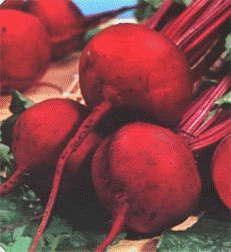
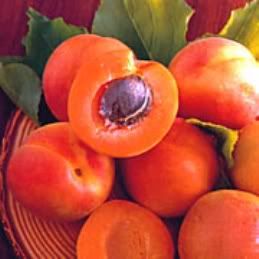
Shaved Beet and Pecorino Salad with Apricots


I wanted to publish this recipe during spring as this is the best time to cleanse the liver and beets are a fantastic vegetable for this purpose. However, life had gotten the better of me and I am just now able to share this post. And really, the mighty liver can always use support in the form of good nutrition. If you choose a super-healthy vegan version, shaved fennel or jicama would be a nice substitute for the pecorino.

The focus here is color, but not hastily mixed. Care and attention is needed to lightly grace the marinated beets with the apricots, pecorino and green onions so the colors remain pure for each element. Also, as with most things in life, fresh is best so do not allow this salad to sit long. Enjoy!

4 medium red beets, peeled
1/8 cup white balsamic vinegar
1/4 cup extra-virgin olive oil
1 tablespoon honey
1/2 teaspoon Himalayan sea salt
1/4 teaspoon freshly ground black pepper
1/8 teaspoon ground nutmeg
3 green onions, 1/4 inch diagonal slice
1oz pecorino cheese, shaved
3 semi-firm apricots, quartered wedges

Using a wide vegetable peeler or a mandolin, shave beets into paper thin slices and set aside. In a medium bowl, whisk together balsamic vinegar, honey, olive oil, sea salt, pepper, and nutmeg. Add beets and toss. Transfer seasoned beets to serving plate and arrange apricots across the top.

Lightly sprinkle the beets and apricots with shaved Pecorino and sliced green onions.

Generously serves two.

Millet Polenta with Spinach & Aged Gouda

Recently, I was craving something savory and satisfying yet healthy. I love polenta but so many people are sensitive to corn that I wanted to find a good substitute that was gluten free. This recipe is the answer.

Millet, although considered by many a humble grain, is actually a seed and a nutritional champion. It shares the spotlight with buckwheat & quinoa as being one of the few alkaline forming "grains". Millet does not feed candida, is a good source of fiber, and is a fantastic source of magnesium which helps with migraine headaches, constipation and supports heart health.

For a vegan version of this recipe, omit the gouda and mix in two tablespoons of nutritional yeast flakes after the millet is finished cooking. Enjoy!

1 1/2 cups millet*
3 cups water
1 1/2 teaspoons sea salt
1/4 cup neutral flavor coconut oil
3 cloves garlic, crushed
1 teaspoon red pepper flakes
2 cups chopped fresh spinach
1/2 cup shredded aged gouda

Cook millet with salt, oil, garlic and red pepper flakes in 3 cups water over medium-low heat for approximately 55 minutes, covered, until the consistency of a soft porridge. Stir often.

Remove from heat. Stir in fresh spinach and shredded gouda. Spread millet mixture into a 9-inch ceramic quiche pan and cool completely. Cut into 8 wedges and serve.

*Make sure to soak millet for 8-10 hours and rinse before cooking to remove the phytic acid which can make millet hard to digest and can bind to minerals in the system.

Italian Spring Tabbouleh

As spring is beginning to peek through the final days of our brisk Montana winter, fantasies of light, cleansing salads come into the forefront. Even though it is a little early season-wise for tomatoes and cucumbers, one can find a good, local hydroponic heirloom tomato in this neck of the woods with a bit of persistence. And fresh basil to boot.

For those of you unfamiliar with quinoa, think Peruvian superfood. An excellent source of vegetarian protein, this grain is difficult to match. Quinoa makes a fantastic substitute for couscous or cracked wheat, which is shown in the recipe below. Enjoy!

3 cups cooked quinoa*
1/4 cup extra virgin olive oil
3 cloves garlic, crushed
1 teaspoon Himalayan sea salt
1/8 cup white balsamic vinegar or lemon juice
1/2 cup chopped fresh basil
2 heirloom tomatoes, medium chop
1 English cucumber, medium chop

Combine olive oil, garlic, salt, basil, and balsamic vinegar or lemon juice. Add cooked quinoa, tomatoes, and cucumber. Toss gently and serve.

*Rinse quinoa before cooking to remove any bitter oils present.